

So, we’ve talked about laws that keep the internet safe and fair. But laws aren’t the whole story. There’s also something called ethics — basically, the “should I or shouldn’t I?” of online behavior. Ethics in the digital world is all about what’s right, wrong, fair, or unfair when we use technology.
Let’s break it down.
What Are Digital Ethics Anyway?
Think of ethics as the invisible guidebook in your head telling you how to act—not because you have to by law, but because it’s the right thing to do. Online, ethics help us decide:
- Should I share this information?
- Is it okay to use someone’s photo without asking?
- How do I treat others when I’m behind a screen?
- When does tech use cross a line?
Unlike laws, ethics aren’t always black and white. Sometimes it’s a gray area, where good people might disagree.
Why Ethics Matter More Than Ever Online
The internet is a giant space with billions of people and almost unlimited ways to connect. That’s awesome, but it also means:
- It’s easy to hide behind a screen and be mean or careless.
- What you do online can affect real people in big ways.
- Technology can be used to help, but also to harm or trick people.
So, ethics help keep our online world more human, respectful, and trustworthy.
Common Ethical Issues You’ll See Online
- Privacy vs. Sharing
Sometimes you want to share fun stuff, but what if it involves someone else’s personal info? Is it fair to post without their permission? That’s a privacy and ethics clash. - Cyberbullying and Harassment
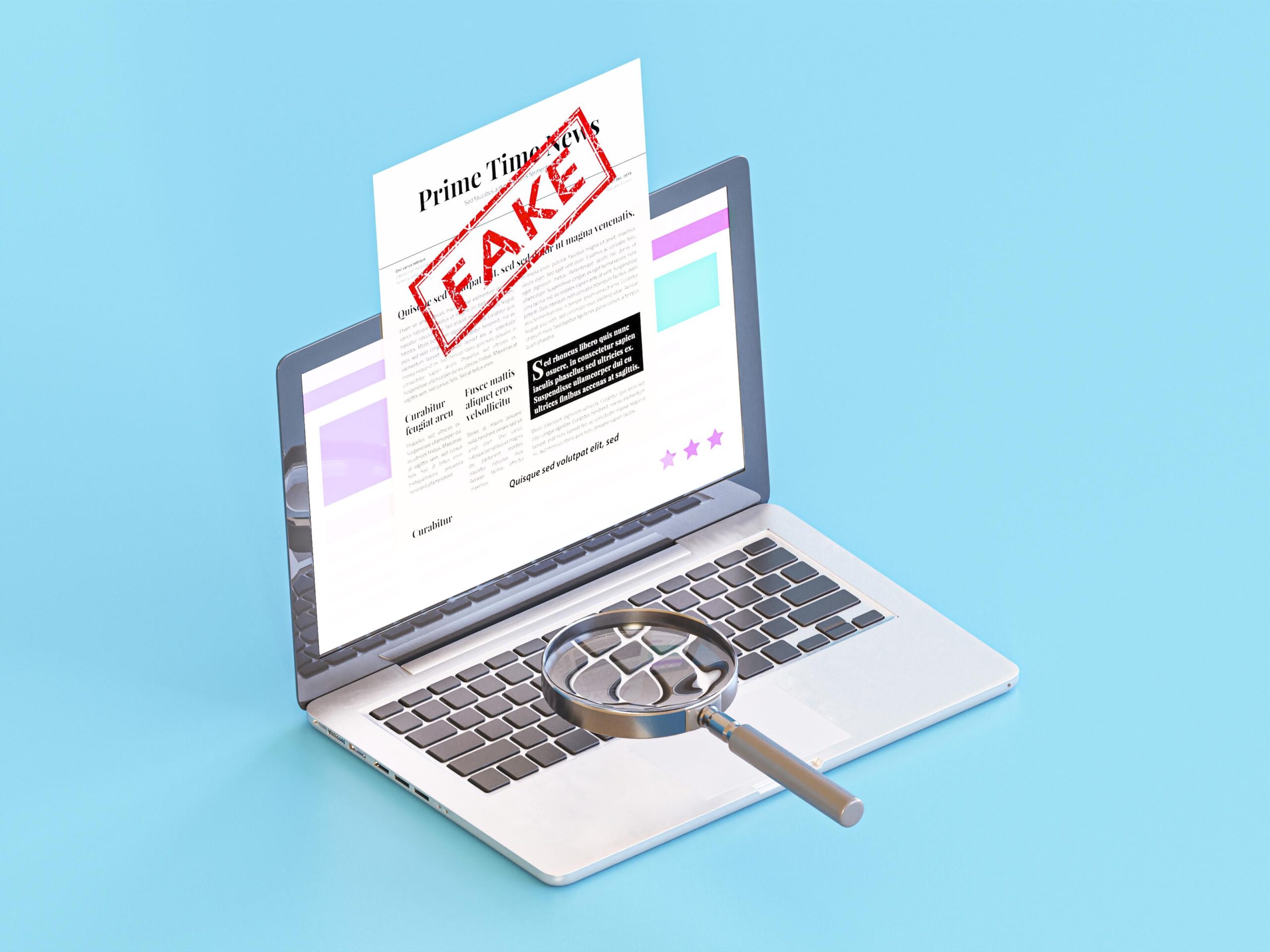
Being rude or mean online hurts people, even if you don’t see their reaction. Ethical behavior means thinking twice before you type or post. - Fake News and Misinformation
Sharing stories or facts without checking if they’re true can cause real damage. Ethical online users fact-check before spreading news. - Digital Divide and Access
Not everyone has the same access to technology or the internet. Ethics push us to think about fairness—who gets left out and why. - AI and Automation
With smart tech making decisions for us, like AI bots or recommendation systems, ethical questions pop up:
- Is the AI fair?
- Does it respect privacy?
- Can it be biased or unfair?
How to Practice Good Digital Ethics Every Day
- Respect others’ privacy — ask before you share info or photos of others.
- Be kind and thoughtful — treat people how you want to be treated, even online.
- Think before you share — check if info is true or if it could hurt someone.
- Use technology responsibly — don’t abuse tools or trick people.
- Support fairness and access — help others get online and learn digital skills.
Real-World Examples of Ethical Challenges
- Social media companies struggle with balancing free speech and stopping hate speech.
- AI chatbots have faced criticism for giving biased or inappropriate answers.
- Viral videos sometimes invade people’s privacy or spread misinformation before anyone catches it.
Why This Chapter Is Important for You
Understanding digital ethics helps you:
- Make better choices online.
- Avoid getting into trouble—even if no law says you can’t do something, ethics might say, “Don’t do it.”
- Build a positive online reputation.
- Encourage a safer, more respectful internet for everyone.
Key Takeaways from Chapter 4
- Ethics guide how we behave online beyond just laws.
- Common ethical issues include privacy, cyberbullying, fake news, access inequality, and AI fairness.
- Practicing good digital ethics means being respectful, responsible, and thoughtful with tech.
- Ethical awareness is key to creating a better, safer internet for all.

Recent Comments