

Alright, now that we know what’s right and wrong online, let’s talk about what happens when people break the rules in a big way. I’m talking about cybercrime — crimes committed using computers, the internet, or other digital tech.
Sounds serious? It is. But don’t worry, I’ll explain it all in simple terms.
What Is Cybercrime?
Cybercrime means doing something illegal by using technology. It can be stealing info, tricking people, or damaging computers. Unlike old-school crimes, cybercrime happens in the digital world — but its effects are very real.
Common Types of Cybercrime You Should Know
- Hacking
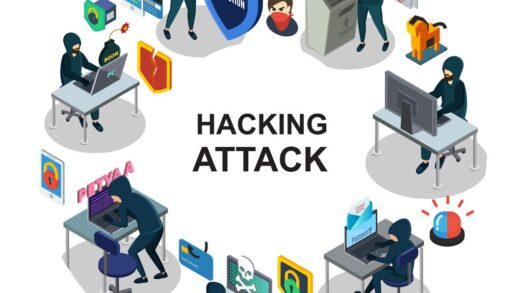
This is when someone breaks into a computer or network without permission. Hackers might want to steal data, cause chaos, or just show off their skills. - Phishing
Ever got a sketchy email asking for your password or bank details? That’s phishing. It’s like digital fishing — criminals “bait” you with fake messages to steal your info. - Malware
Short for “malicious software,” malware is bad software designed to damage or spy on your device. Viruses, ransomware, spyware — all fall under malware. - Identity Theft
Here, criminals steal your personal info (like Social Security number or credit card info) and pretend to be you, often to steal money or commit fraud. - Cyberstalking and Harassment
Using tech to bully, threaten, or stalk someone repeatedly. It’s serious and can have a huge emotional impact. - Online Scams
From fake online stores to “too good to be true” investment schemes, scammers try to trick you out of money.
Why Cybercrime Is Growing
- More people online = more targets.
- Criminals get smarter, using tech to hide or automate attacks.
- Many don’t take basic security steps, like strong passwords or software updates.
- Some laws are still catching up to new types of cybercrimes.
How Cybercrime Affects You
Even if you’re not a millionaire or a big company, cybercrime can hit you hard:
- Losing money from your bank account.
- Personal info being stolen and sold.
- Devices getting locked or ruined.
- Feeling scared or violated.
- Damaged reputation if your social accounts are hacked.
How to Protect Yourself From Cybercrime
- Use strong, unique passwords and change them regularly.
- Enable two-factor authentication whenever you can.
- Don’t click on suspicious links or open weird email attachments.
- Keep your software and apps up to date.
- Be careful about what info you share online.
- Use trusted security tools like antivirus programs.
- If something feels off, trust your gut and double-check.
What to Do If You’re a Victim
- Change your passwords immediately.
- Report the crime to the right authorities (like your bank, police, or online platform).
- Warn your contacts if your accounts were hacked.
- Monitor your credit or bank statements closely.
- Consider professional help if needed.
Quick Recap — What You Learned in Chapter 5
- Cybercrime means illegal acts done using computers or the internet.
- Common cybercrimes include hacking, phishing, malware, identity theft, cyberstalking, and scams.
- Cybercrime is growing because more people are online and criminals get smarter.
- Everyone can be a target — even regular people.
- Protect yourself with good security habits and report crimes fast.

Recent Comments