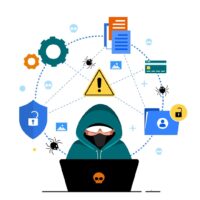

Social engineering is a psychological manipulation tactic used by attackers to trick victims into divulging confidential information, clicking on malicious links, or unknowingly installing malware. Unlike brute-force attacks that target systems directly, social engineering exploits human trust and vulnerabilities. Ethical hackers understand these techniques to better defend against them, but it’s crucial to emphasize that this knowledge should only be used for ethical purposes.
Disclaimer: Social engineering is a powerful tool, and the information presented here should never be used for malicious purposes. Ethical hacking requires authorization and operates within a strict legal framework.
Here’s a deeper dive into social engineering and defensive strategies:
Common Techniques:
- Phishing: This is a deceptive email or message designed to trick the victim into clicking on a malicious link or attachment. Phishing emails often impersonate legitimate sources like banks, credit card companies, or even familiar colleagues.
- Pretexting: The attacker creates a false scenario or pretext to gain the victim’s trust. They might pose as technical support, a potential customer, or even law enforcement to trick the victim into giving away information or access.
- Quid Pro Quo: The attacker offers something in exchange for information, like fake technical support or the promise of a reward.
- Baiting: The attacker creates a tempting offer or sense of urgency to lure the victim into taking a desired action, such as downloading a file or clicking on a link.
Why Social Engineering Works
Social engineering attacks prey on several human tendencies:
- Trust: People are naturally inclined to trust others, especially those who appear helpful or authoritative.
- Fear: Attackers can exploit fear of losing money, missing out on an opportunity, or getting into trouble to manipulate victims.
- Curiosity: Malicious emails or messages can pique curiosity, leading the victim to click on a link or open an attachment.
Defensive Strategies
- Be Wary of Unsolicited Contact: Legitimate organizations rarely initiate contact through unexpected emails, phone calls, or messages.
- Verify Information: Always double-check sender information, links, and attachments before clicking or opening anything. Look for misspellings in URLs or email addresses that can be red flags.
- Be Skeptical of Offers and Threats: If something seems too good to be true, it probably is. Don’t be pressured into making hasty decisions. Take a moment to confirm the legitimacy of any offer or verify the source of a threat.
- Strong Password Habits: Use complex passwords and enable two-factor authentication whenever possible. This adds an extra layer of security to prevent unauthorized access even if your credentials are compromised through social engineering.
- Security Awareness Training: Organizations can benefit from training employees on social engineering tactics and best practices for secure behavior. This empowers employees to identify and avoid social engineering attempts.
Ethical Hacking and Social Engineering
Ethical hackers use their understanding of social engineering to:
- Penetration Testing: Simulate social engineering attacks to identify weaknesses in an organization’s security posture and employee awareness. This helps organizations plug the gaps before malicious actors exploit them. However, ethical hackers always conduct penetration testing with explicit permission and within a defined scope.
- Security Awareness Training: Develop training programs to educate employees about social engineering tactics and how to identify and avoid them.
By understanding social engineering techniques and implementing these defensive strategies, we can significantly reduce the risk of falling victim to these deceptive tactics. Ethical hackers play a vital role in building a more secure digital environment by exposing vulnerabilities and educating others on how to stay safe. Remember, vigilance and awareness are our best defenses against social engineering attacks.



Recent Comments